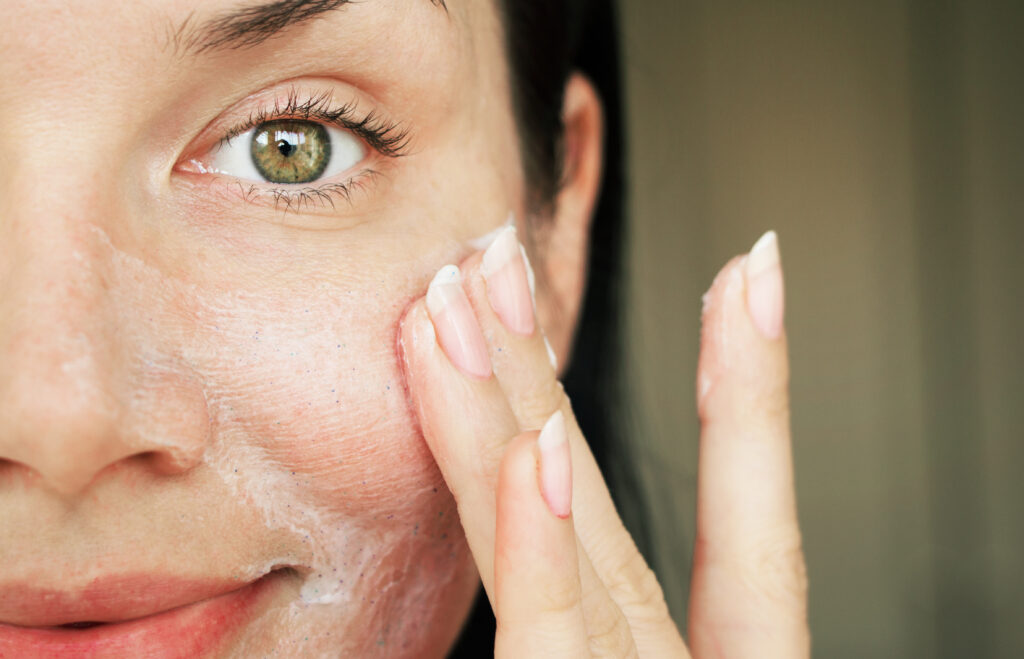
Your skin is a dynamic organ. It acts as a shield, a regulator, and a communicator. Often, we treat it as a surface to be cleaned, moisturized, or covered. We react to dry patches with heavier creams and to oiliness with harsh cleansers. However, your skin is actually sending specific messages. Understanding what your skin is trying to tell you through dryness, oiliness and breakouts is the first step to solving the underlying issues. Instead of silencing these symptoms, we need to listen to them. This article will decode the common signals your skin sends, offering a guide to a healthier, more balanced complexion.
What Your Skin Is Trying to Tell You Through Dryness
Dry skin is a frequent complaint, especially during colder months. It feels tight, rough, and sometimes flakes. This is not a simple case of missing moisture. Dryness indicates that the skin barrier, the outermost layer, is compromised. This barrier is responsible for holding water in and keeping irritants out. When it weakens, water evaporates, leaving the skin feeling parched and vulnerable. Many people think they need to exfoliate away the flakes. In reality, over-exfoliation often breaks down the barrier further, making the problem worse.
What your skin is trying to tell you through dryness is often about your immediate environment and habits. For instance, hot showers strip natural oils. Harsh soaps can disrupt the skin's pH. Indoor heating reduces humidity, which pulls moisture from your skin. However, it can also indicate internal factors. A lack of essential fatty acids in your diet, which are the building blocks of healthy cell membranes, can manifest as persistent dryness. Dehydration is another culprit. If you are not drinking enough water, your skin will show it. Pay attention to dry patches that crack or peel. These are not just cosmetic annoyances. They are signals that your protective shield is failing. Addressing this means using gentle, hydrating cleansers and richer creams that contain ceramides and hyaluronic acid. But more importantly, it means protecting that barrier from the aggressive agents that are breaking it down. Listen to the tightness and act by turning down the heat and increasing your water intake. Understanding what your skin is trying to tell you through dryness can prevent premature aging and sensitivity.
What Your Skin Is Trying to Tell You Through Oiliness
On the other end of the spectrum is oiliness. Oily skin produces an excess of sebum. Sebum is a natural lubricant, but an overproduction leads to a shiny appearance, large pores, and a greasy feel. When people see oil, their first instinct is to strip it away. They reach for astringent toners and powerful cleansers. Yet, what your skin is trying to tell you through oiliness is often that it is reacting to an imbalance. Paradoxically, stripping away all the oil can cause a "rebound effect." The skin senses it is too dry and signals the sebaceous glands to produce even more oil to compensate.
What your skin is trying to tell you through oiliness might be related to hormones. Androgens, like testosterone, stimulate sebum production. This is why breakouts and oiliness often spike during puberty and menstrual cycles. Stress also plays a major role. The stress hormone cortisol can ramp up oil production. Genetics are another piece of the puzzle. Some people are simply predisposed to having more active sebaceous glands. However, your diet is a significant factor. High-glycemic foods like sugary snacks and refined carbohydrates can spike insulin levels. This leads to a cascade that increases sebum production and inflammation. The skin is not just greasy by chance. It is telling you that your internal environment is out of balance. Using a gentle, water-based cleanser and a light, non-comedogenic moisturizer is actually a better response than using harsh drying agents. Learn what your skin is trying to tell you through oiliness and respond with hydration and internal balance, not aggressive stripping.
What Your Skin Is Trying to Tell You Through Breakouts
Breakouts are perhaps the most visible and frustrating sign. A pimple is not just a random blemish. It is an inflammatory response. When a hair follicle becomes clogged with dead skin cells and excess oil, bacteria can thrive. This triggers the immune system, leading to redness, swelling, and pus. But the location of the breakout can also be a clue. The face is often divided into zones that correspond to different internal organ systems. While this is not a strict medical diagnosis, it is a valuable tool for understanding what your skin is trying to tell you.
For example, breakouts on the forehead and hairline might suggest a reaction to hair products or a build-up of sweat and dirt. Breakouts on the nose are often related to the digestive system or a build-up of bacteria from touching the face. Chin and jawline breakouts are commonly associated with hormonal fluctuations. This is because the chin area has a high density of oil glands that are sensitive to hormones. Cystic acne along the jawline is a classic sign of a hormonal shift, often seen during the menstrual cycle or due to conditions like polycystic ovary syndrome (PCOS). Furthermore, what your skin is trying to tell you through breakouts on the cheeks can be linked to respiratory issues or simply bacteria from your phone or pillowcases.
What your skin is trying to tell you through breakouts is also a reflection of your diet. Dairy and high-glycemic foods are common triggers for many people. The inflammation they cause contributes to the development of acne. Persistent breakouts can also be a sign of chronic stress, which raises cortisol and creates more oil, fueling the breakout cycle. It is essential to treat breakouts with patience. Aggressive scrubbing will only inflame them further. Look for salicylic acid to unclog pores, benzoyl peroxide to kill bacteria, and retinoids to promote cell turnover. However, if breakouts are deep, painful, or persistent, they are sending a loud message that the issue is internal. Do not ignore this. Listen to what your skin is trying to tell you through breakouts and consider consulting a professional.
The Deep Connection
The most important thing to understand is that your skin is a connected system. The internal and external are constantly interacting. Your gut health, for instance, has a direct impact on inflammation. An unhealthy gut microbiome can lead to systemic inflammation, which can manifest as acne, redness, or even dryness. The stress you feel at work doesn't just affect your mind. It sends a hormonal surge that alters the way your skin functions. This can trigger a sudden shift from normal to oily or from clear to broken out.
Furthermore, skin conditions are rarely isolated. It is possible to have skin that is both dry and broken out. This is a combination that is often confusing. It happens when the skin barrier is compromised and dry, but the pores are still clogged. This tells you that you have both a lack of hydration and an overproduction of oil in certain areas, or just a build-up of dead skin cells trapping debris. What your skin is trying to tell you through dryness, oiliness and breakouts together is that your skin needs a holistic approach. It needs a balance of gentle cleansing, proper hydration, and internal support. It is urging you to stop treating it as a collection of random problems and instead view it as a whole system that requires balance.
How to Respond to Your Skin’s Messages
The first step is self-assessment. Stop and look at your skin. When did the dryness start? Did you recently change your diet? Are you under a lot of stress? Keep a journal to identify patterns. This is the language of your skin, and learning to read it helps you become fluent.
Your internal well-being is the foundation of a clear complexion. A diet rich in antioxidants, vitamins, and healthy fats supports the skin from the inside out. Foods like berries, fatty fish, nuts, and green leafy vegetables help reduce inflammation and support a healthy barrier. Avoiding processed foods and excessive sugar can significantly calm flare-ups.
Daily habits play a massive role in decoding what your skin is trying to tell you. It is vital to choose products that support the skin barrier. Look for ingredients like niacinamide, which can help balance oil and reduce redness. Hyaluronic acid is excellent for hydration, while ceramides rebuild the skin’s barrier. Always patch-test new products to ensure they do not irritate. Simplicity is often the best approach. Using too many active ingredients at once can confuse the skin and trigger adverse reactions.
Perhaps the most significant factor is stress. We cannot eliminate stress entirely, but we can manage it. The mind-skin connection is powerful. Activities that reduce stress, like meditation, exercise, and good sleep, are just as important for your skin as the creams you apply. A consistent sleep schedule allows the skin time to repair itself. When you are rested, your skin looks healthier. When you neglect sleep, it shows.
Understanding the Skin's Language
Your skin doesn't have a voice, but it is constantly communicating. The shininess in your T-zone, the flaking on your cheeks, and the redness around your nose are all part of a complex conversation. The key to understanding this conversation is to stop treating the symptoms as enemies and start recognizing them as signals. What your skin is trying to tell you through dryness, oiliness and breakouts is valuable. It gives you a window into your health and habits. It prompts you to eat better, sleep longer, and manage your stress.
Many people attempt to silence these signals by covering them up with makeup or harsh treatments. But covering the message doesn't change the source. The skin will keep trying to communicate until it is heard. This is where the transformation begins. When you realize that your breakout isn't a personal failure but a cue to drink more water or eat fewer sugars, you can change your approach.
Ultimately, the goal is not perfection. Skin has a natural rhythm and will change with the seasons, your age, and your stress levels. Aim for health. Healthy skin is resilient. It bounces back from minor irritations. It feels soft, looks radiant, and functions well. The road to healthy skin begins with listening. When you start to decode the messages, you move from a reactive stance, where you are constantly fighting your skin, to a proactive stance, where you are caring for it. The journey involves patience and consistency. Do not expect overnight miracles. Treat your skin with kindness. A good skincare routine is not just about aesthetics. It is about caring for the largest organ of your body. When you embrace this mindset, you will stop seeing dryness, oiliness, and breakouts as problems to be solved, but as messages to be understood and respected.
A Holistic Approach to Lasting Skin Health
So, the next time you look in the mirror and see an unwanted blemish or a patch of dry skin, pause. Do not just reach for a spot treatment or a moisturizer. Ask yourself, what is the root of this? Have I been eating foods that cause inflammation? Am I hydrated? Is my stress level high? The answers to these questions will reveal the truth. The journey to balanced skin is rarely linear. There will be good days and bad days. The goal is to learn the rhythm of your own skin and respond with nurturing care. A simple skincare routine can be more effective than a complex one. Gentle cleansing, proper hydration, and sun protection are the pillars of healthy skin. Add to that a balanced diet, plenty of water, and stress management, and you are providing your body with what it needs to function optimally. Your skin will reflect this holistic care. It will have a natural glow that no product can mimic. What your skin is trying to tell you through dryness, oiliness and breakouts is your body’s wisdom speaking directly to you about your overall well-being and internal balance, offering a unique and honest health report.
Order now at https://theskinlab.pk/
Trusted Beauty Products | Fast and Affordable Shipping